SYCTOM
Complete project supervision and Fire Safety Coordination
Redevelopment of an occupied site
Project Owner
SYCTOM
Project Supervision
Carta - Reichen et Robert Associés, lead architect
Art provider: Miguel Chevalier
Technical Design Office, all trades - roadways and utility networks - lighting: BeA Ingénierie Groupe PINGAT
Technical Design Office: CFERM
Process Technical Design Office: SEPOC
Landscaping: Sol Paysage
Acoustics: Impédance
Intervention artistique : Miguel Chevalier
Area
32,560 m² GFA
17,194 m² GFA newly built area
48,700 m² site area
17,200 m² enclosed and weather-tight area
3,202 m² GFA offices
5,447 m² parking – 213 spaces
29,355 m² GFA household waste incineration treatment unit
Perspectives : Kreaction
Photographe : Sergio Grazia
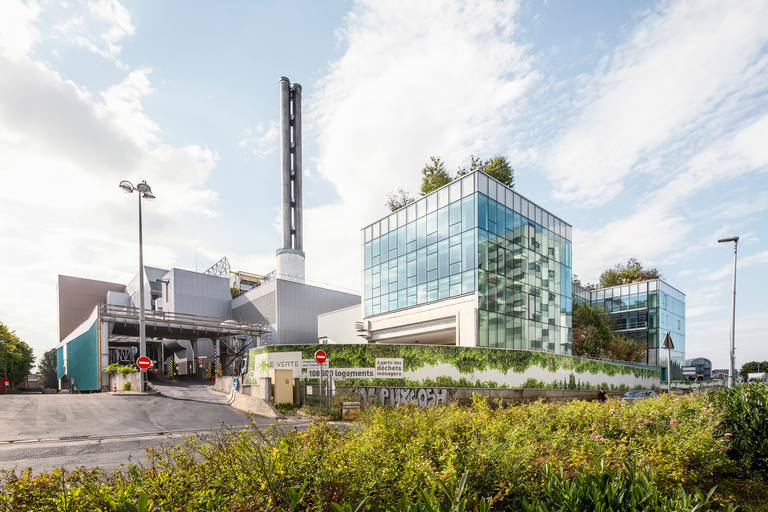
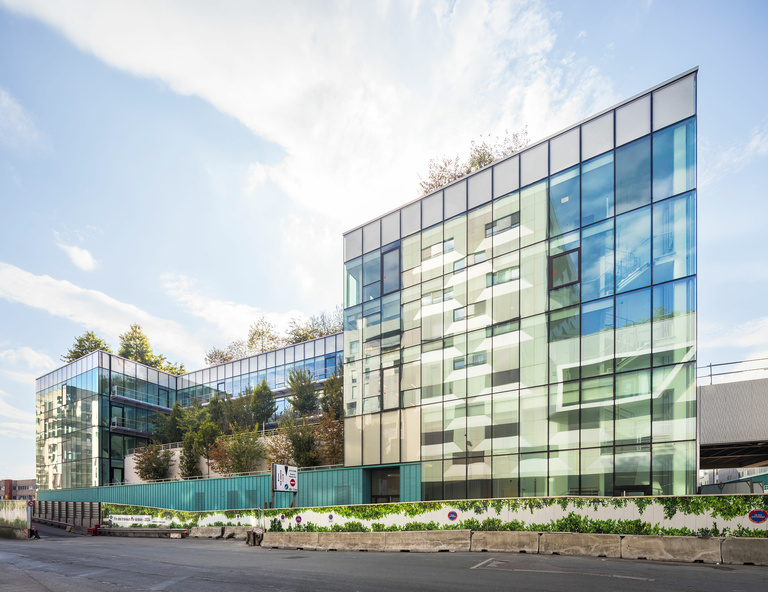
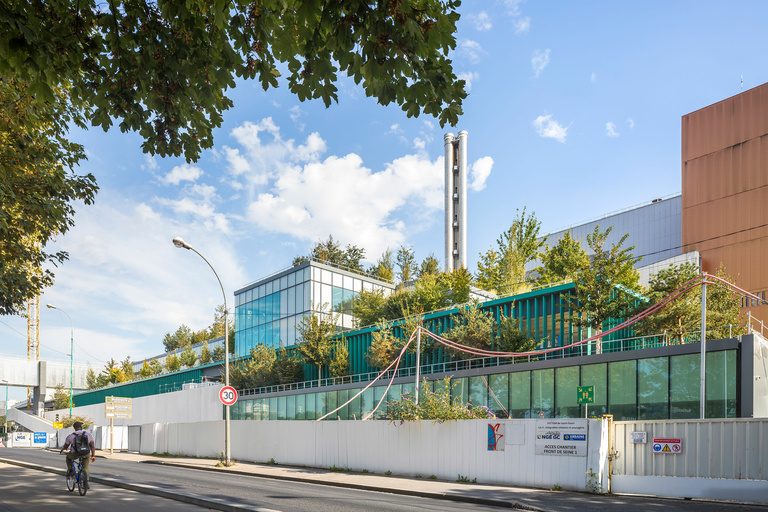
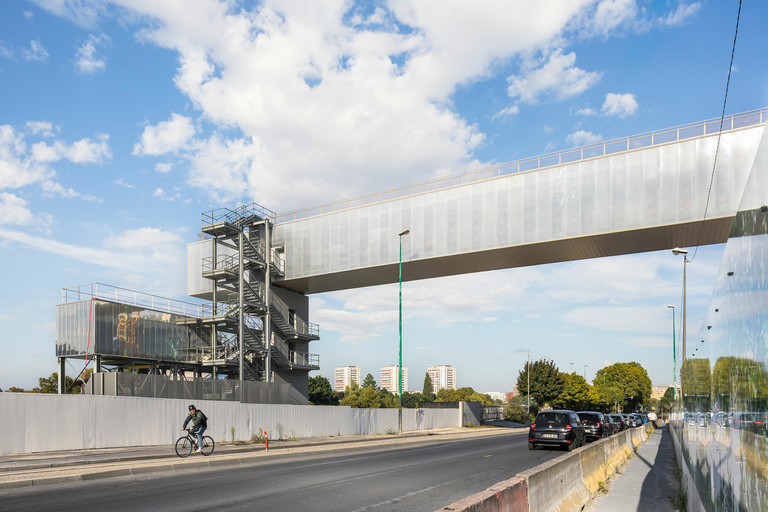
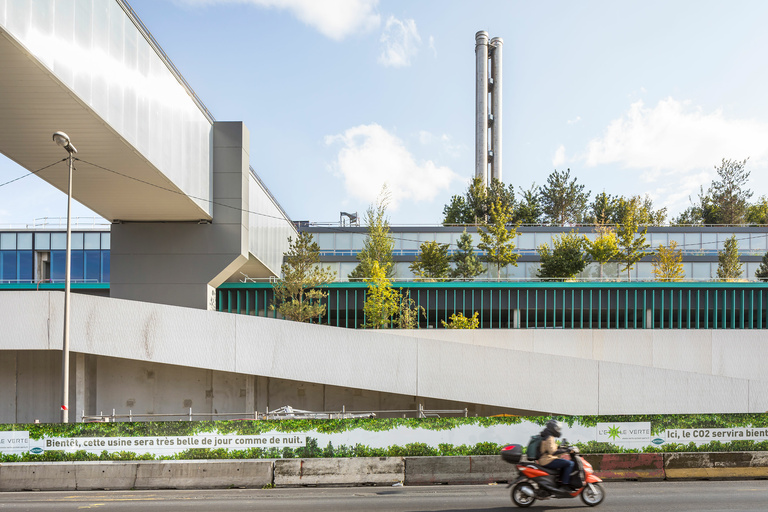
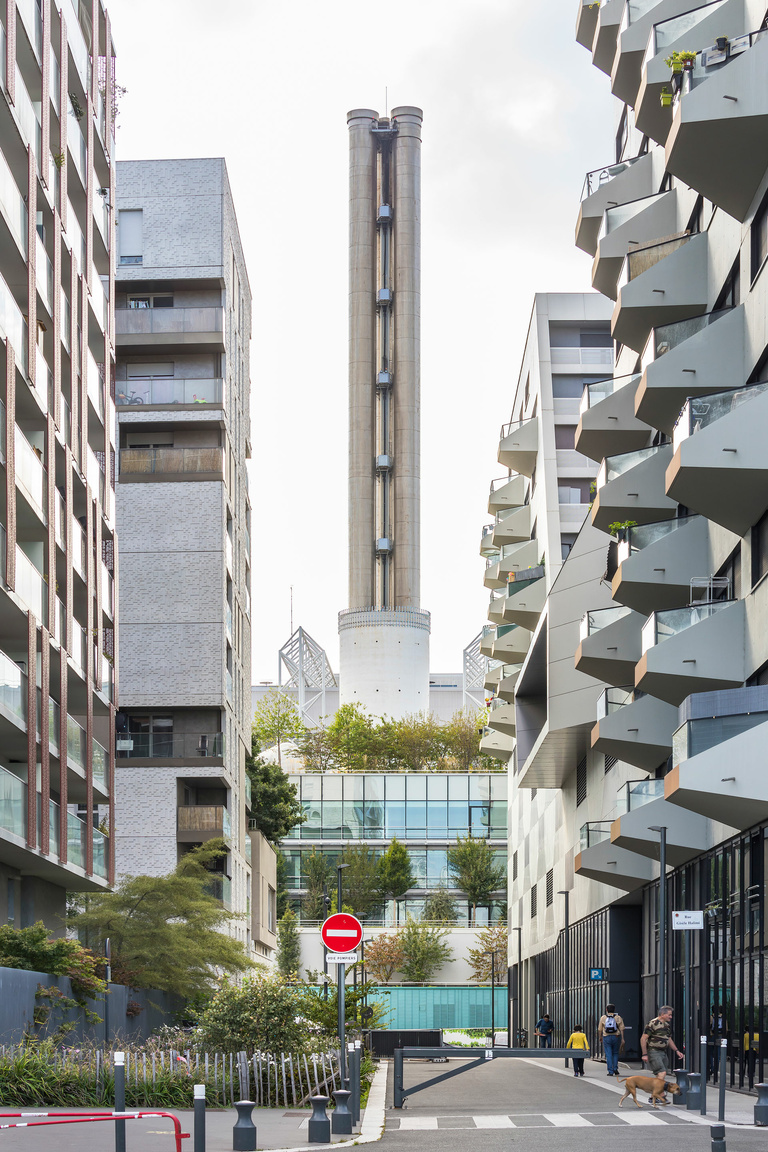
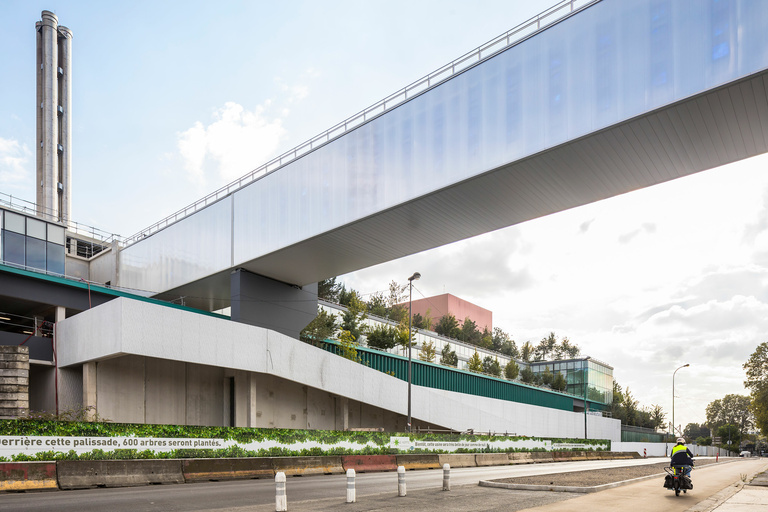
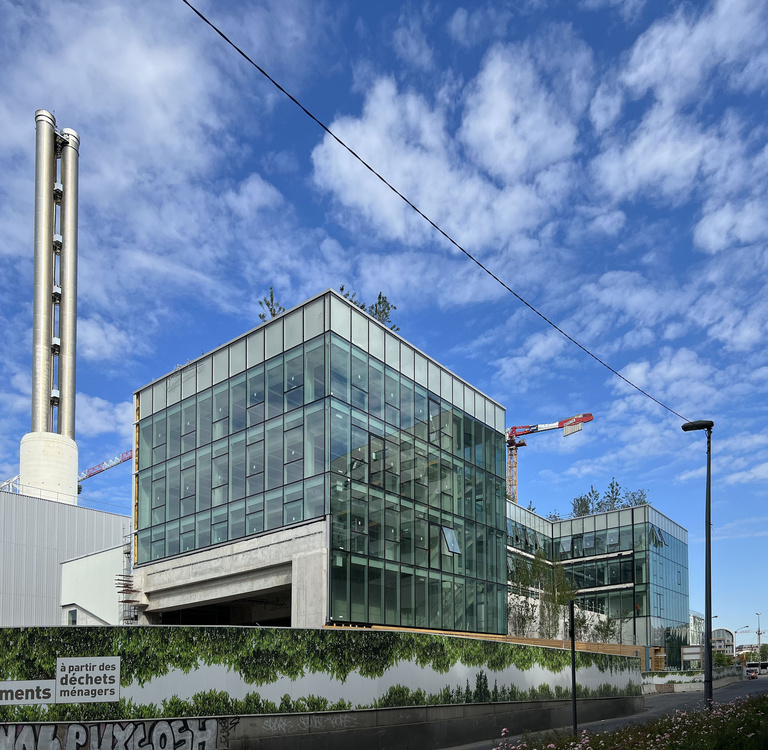
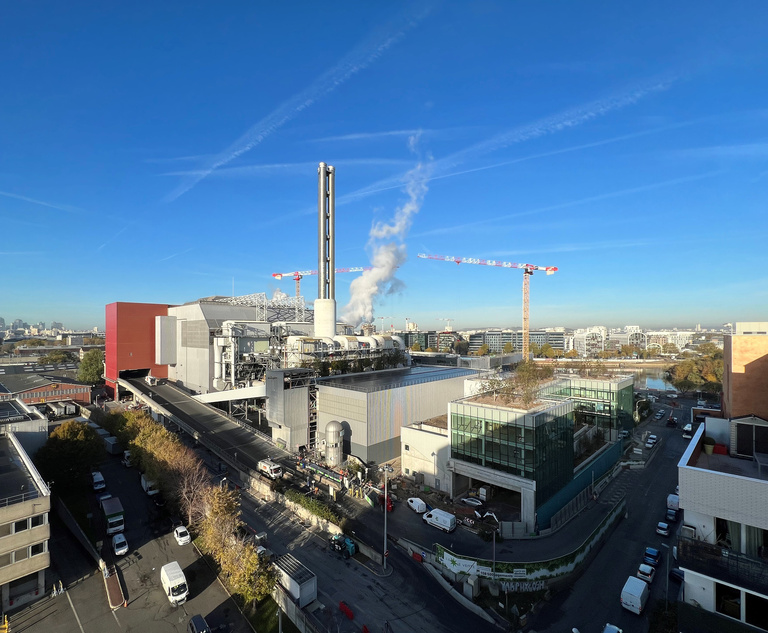
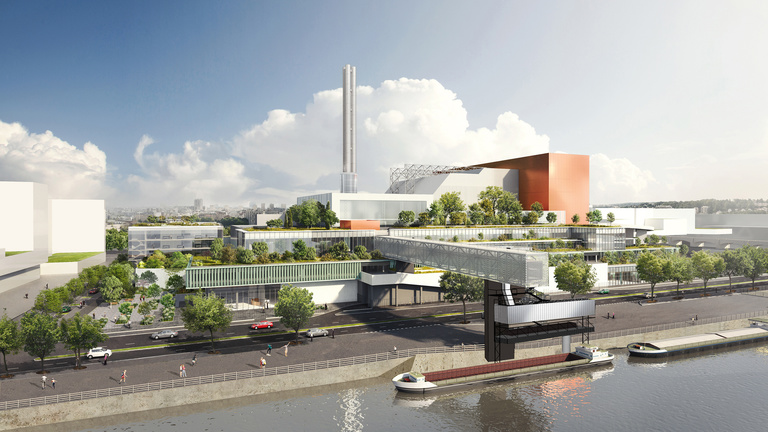
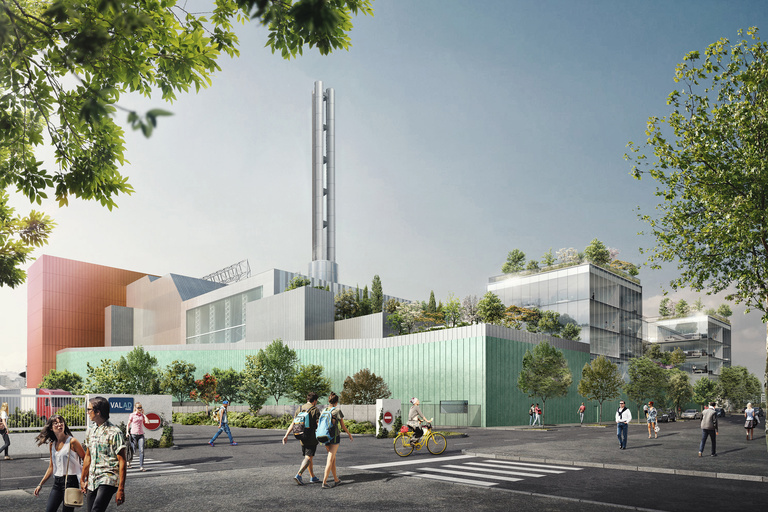
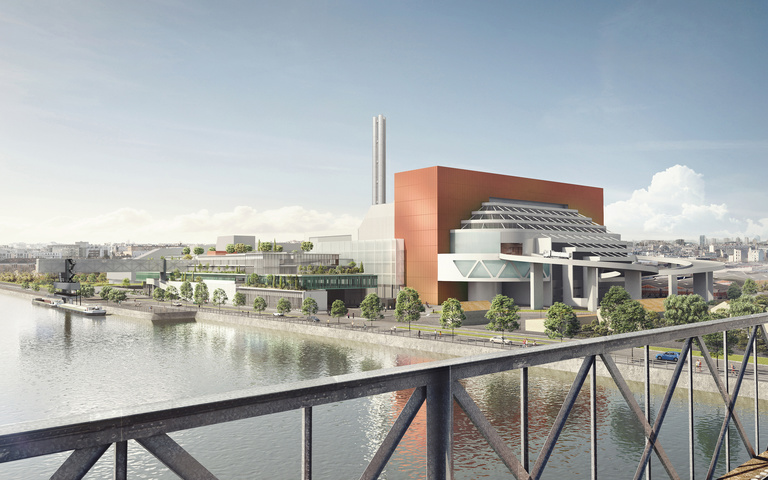
Architectural and landscape redevelopment of the Syctom waste treatment plant, aimed at its urban integration within the new ZAC des Docks district.
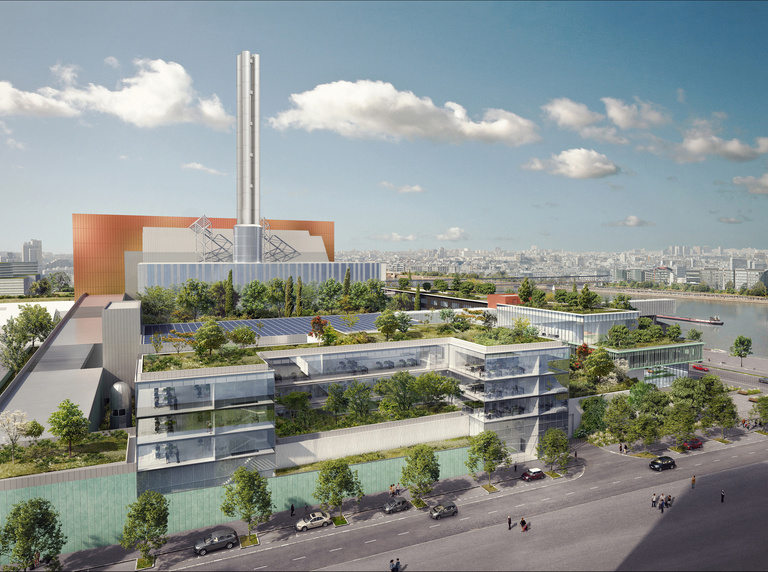
Syctom: a green island on the Seine
A witness to the industrial history of Saint-Ouen-sur-Seine, the Syctom remains the major waste incineration facility in the north of the Île-de-France region.
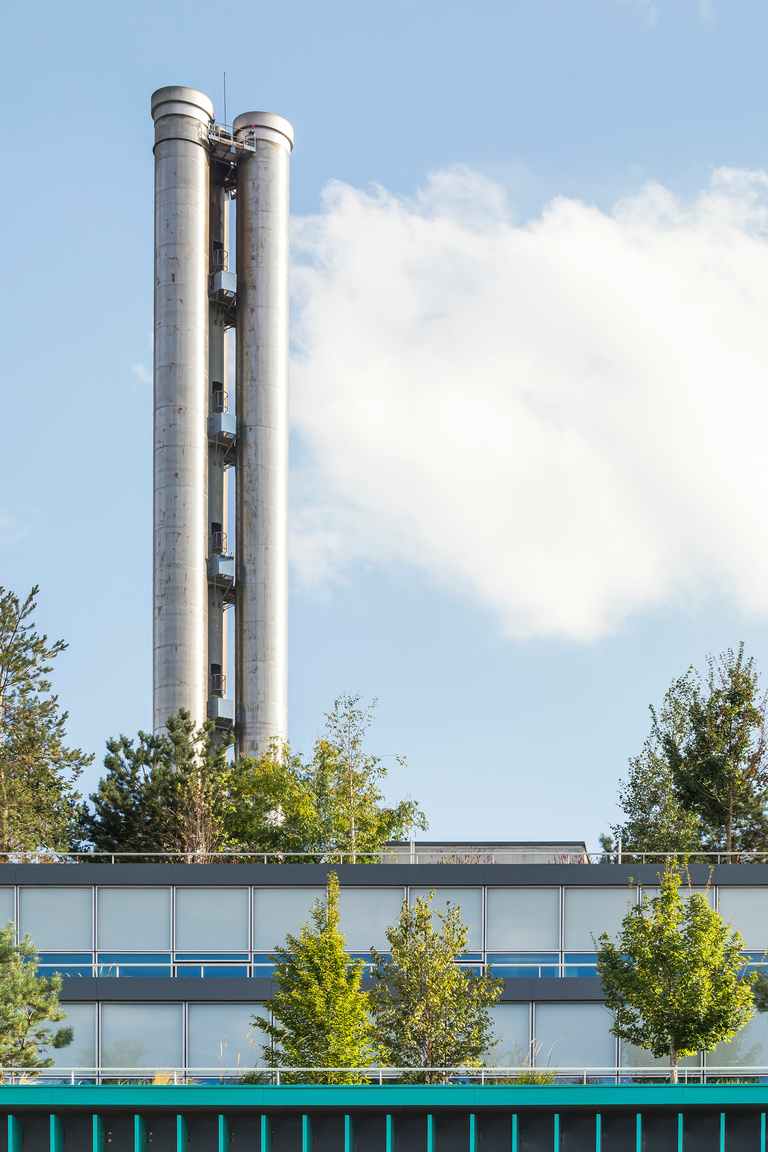
Two major projects work in tandem to ensure its modernisation. The first is technical, focusing on the transformation of the industrial facilities and flue gas treatment systems to meet current environmental standards. The second is architectural, seeking to turn this large-scale industrial infrastructure into an urban place, integrated into the broader redevelopment of the Docks of Saint-Ouen and into a renewed relationship with the Seine, initiated by the creation of the Parc des Docks.
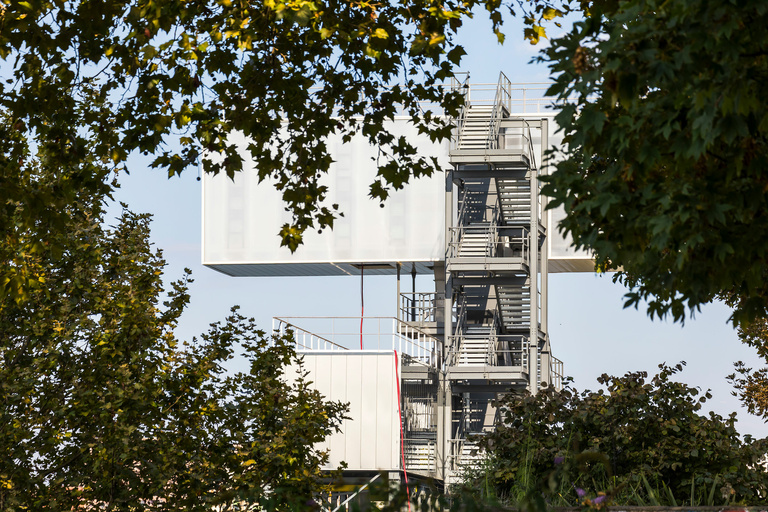
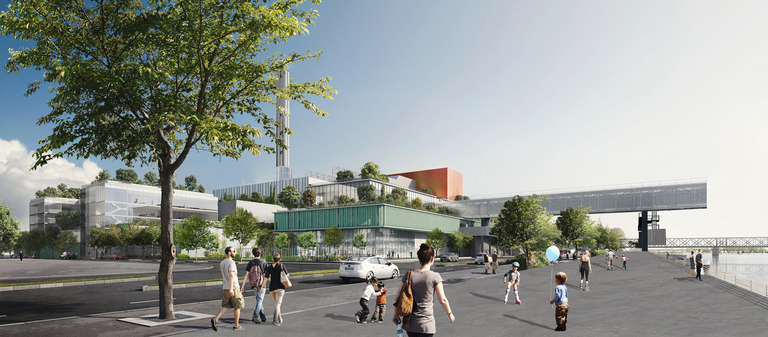
The “green island” project, extending its long, horizontal, landscaped lines along the river, responds to this ambition. It is an island “inhabited” by new service and office functions, as well as by welcoming public spaces and an interpretation centre explaining the operation of this industrial facility within the contemporary city.
The project therefore addresses three distinct audiences: users of the Seine, by creating a new urban and environmental landmark; local residents, by transforming the plant into a “lived-in environment”; and visitors, through an approach rooted in industrial tourism, also offering the opportunity to discover the wider territory from the panoramic terrace.